

Ceylon Cinnamon vs. Cassia: Which One Should You Choose? Bonus: Chai Latte Recipe with Yogi
Why change the type of cinnamon?
We recently decided to change a key ingredient in our Yogi herbal tea. From now on, our blend contains Ceylon cinnamon instead of cassia cinnamon. We made this choice because Ceylon cinnamon is considered healthier when consumed daily. It contains lower levels of coumarin, a compound that can be harmful in large amounts. Cassia cinnamon contains higher levels of coumarin and is therefore recommended to be consumed in moderation.
We make changes when we believe they are better for your health, especially if you enjoy our herbal tea every day. Since this blend contains adaptogens, it is most effective when taken consistently. The flavor will remain the same, with only a subtle difference.
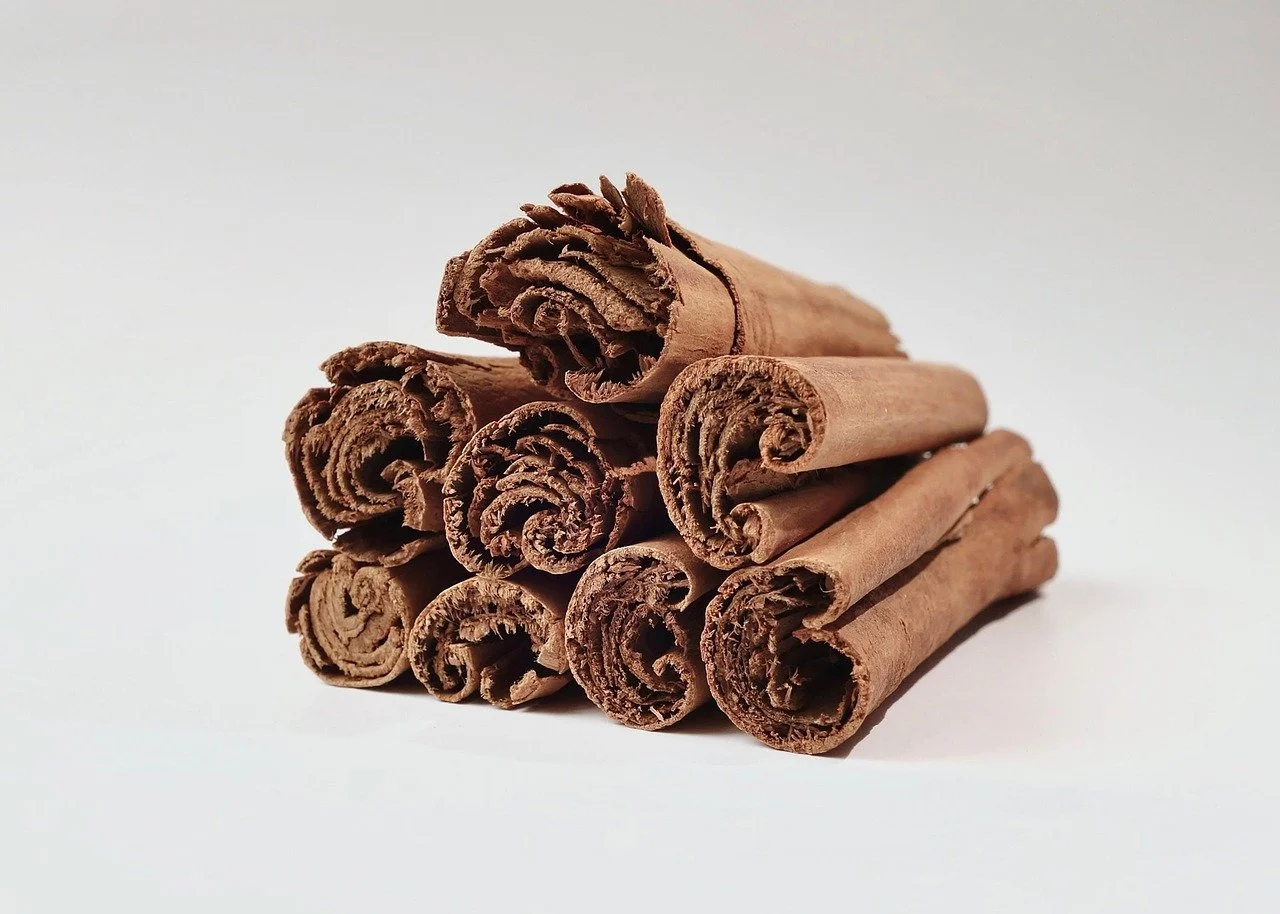
Ceylon Cinnamon (Cinnamomum verum)
Mild, subtle, lightly sweet with floral and citrus notes
Light-colored, thin sticks made of multiple layers
Soft, easy to break and finely grind
Delicate, elegant, and non-dominant
Ideal for desserts, baking, beverages, and delicate recipes

Cassia Cinnamon (Cinnamomum cassia)
Strong, spicy, intense, and slightly bitter
Dark, thick sticks made of a single layer
Hard, woody, more difficult to grind
Powerful, warm, and very pronounced
Best suited for spicy dishes, slow-cooked recipes, and spice blends
It comes as no surprise that Ierba’s Yogi herbal tea is especially appreciated during the winter season.
During this colder, more stagnant time of year, our bodies need extra care. The herbs carefully selected for this infusion help make this transition gentler and warmer.
Ashwagandha – An adaptogen that supports stress resilience and vitality.
Holy Basil – An adaptogen that promotes calm and supports digestion.
Ginger – A warming root that enhances circulation and aids digestion.
Ceylon Cinnamon – A warming spice beneficial for circulation, digestion, and healthy blood sugar balance.
Cardamom – A digestive spice that adds freshness and flavor.
Rose – A soothing, balancing flower that encourages heart opening.
To inspire you to take a precious moment for yourself and restore balance, I’m sharing a chai latte recipe made with our Yogi herbal tea. Unlike traditional chai lattes, this version is caffeine-free, making it perfect to enjoy at any time of day.

Hello Holy Basil!
Holy basil is an adaptogen that promotes mental clarity and brings us into the present moment. Combined with ashwagandha, Yogi will balance and uplift your spirits through its spicy and comforting chai notes.
Our unique blend is made with a selection of herbs chosen for their ability to promote a sense of calm and balance, allowing you to feel centered and grounded.
Taste: Aromatic | Spicy
Handcrafted in Quebec.
Recipe: Chai Latte with Yogi (Caffeine-Free)
Ingredients:
2 teaspoons of Yogi Ierba herbal tea
200 ml water
1/3 cup (≈ 80 ml) milk (cow, almond, or oat)
Honey, to taste
Ground cinnamon, for sprinkling
Instructions:
Pour 200 ml of water and the Yogi herbal tea into a small saucepan, then bring to a boil.
Let it steep for 5 to 7 minutes to create a concentrated infusion.
Add 80 ml of milk to the saucepan and lightly froth it.
Stir in honey to taste.
Filter and pour into a cup, sprinkle with cinnamon, and enjoy immediately. ✨
Tip: For a stronger chai flavor, steep the tea a little longer.